


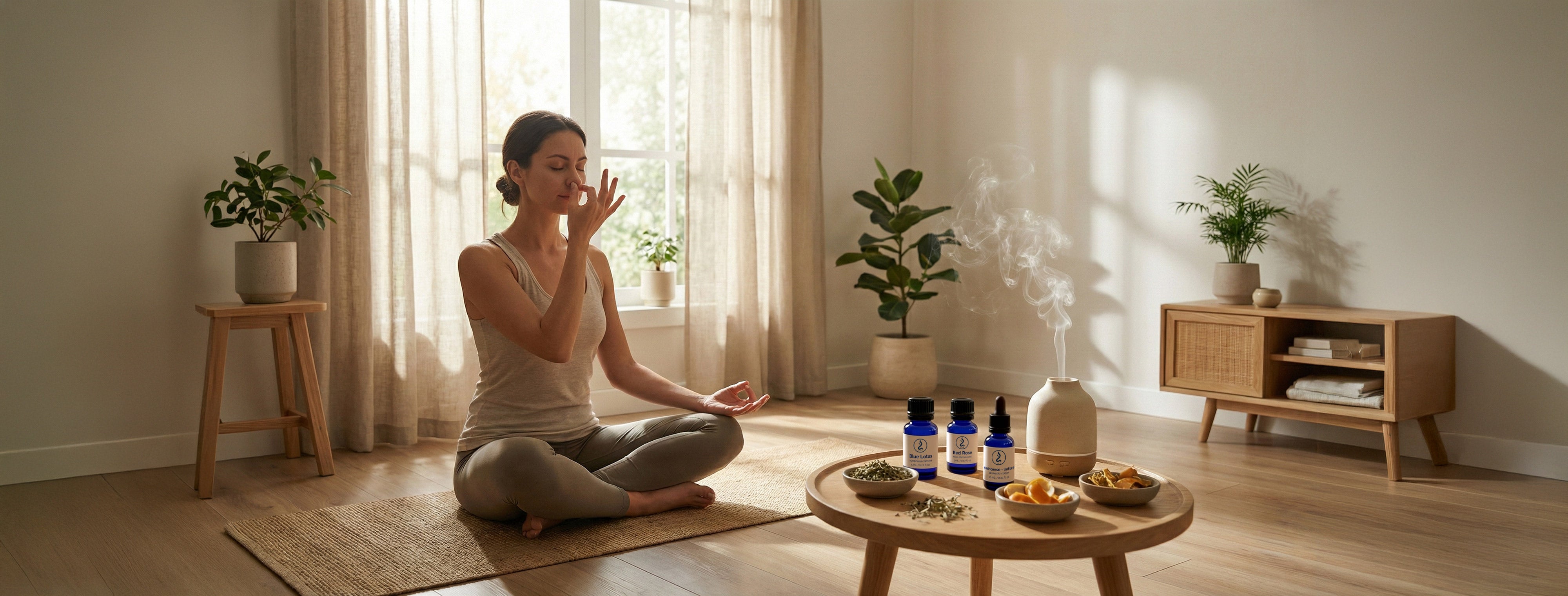
How Oils Can Enhance Breathwork and Pranayama Sessions
For a yoga practitioner, breath is not just a physical function. It is the bridge between body, mind, and awareness. Pranayama sits at the core of yogic practice because it refines this bridge. When breath becomes steady, the mind follows. Adding natural oils to breathwork can support this process by preparing the nervous system, improving breath awareness, and creating the right internal state for practice.
This approach is not about adding distraction. It is about using subtle sensory support to deepen what is already present in pranayama.
Understanding Pranayama from a Yogic Lens
Pranayama comes from two Sanskrit words. Prana refers to life force. Ayama means expansion or regulation. The purpose of pranayama is not simply better breathing but the conscious movement and balance of prana within the body. Classical texts describe pranayama as a preparation for meditation, helping remove mental restlessness and energetic blockages.
Different pranayama techniques serve different purposes. Nadi Shodhana balances the ida and pingala nadis. Bhastrika increases energy and heat. Ujjayi regulates rhythm and awareness. Sheetali cools the system. Each technique places different demands on the nervous system and breath pathways. This is where these essential oils can play a supportive role.
Why Oils Work Well with Breathwork
The sense of smell has a direct connection to the limbic system, the part of the brain involved in memory, emotion, and regulation of the nervous system. When a practitioner inhales a natural oil during breathwork, the effect is immediate and subtle.
For yoga practitioners, oils can help in three main ways.
First, they help settle the mind at the start of practice. Many students struggle to shift from daily activity into stillness. A familiar aroma can signal the nervous system that it is time to slow down.
Second, certain oils support smoother breathing. When the breath feels open and unrestricted, it becomes easier to lengthen inhales, soften exhales, and maintain rhythm during pranayama.
Third, oils help anchor awareness. When attention drifts, the aroma brings it back to the present breath without effort.
Oils That Align Well with Yogic Breath Practices
Not every oil suits pranayama. For yoga practitioners, the focus should be on grounding, clarity, and subtlety rather than strong stimulation.
Red Rose Oil
Pranayama is not only physical but emotional. Many practitioners notice emotional release during long exhalations or breath retention. Red Rose Oil supports heart-centered awareness and emotional balance. It pairs well with gentle pranayama practices, restorative yoga, and breathwork focused on relaxation and self-awareness. Using Red Rose Oil can help soften the breath and encourage a sense of openness during practice.

Blue Lotus Oil
Blue Lotus has traditionally been associated with calm awareness and inner stillness. For yoga practitioners, it works well during slow pranayama and meditation-focused sessions. It supports deeper breath cycles and helps maintain a calm internal rhythm without dulling awareness. Blue Lotus Oil can be especially supportive during evening practice or longer seated pranayama sessions.
Matching Oils with Pranayama Techniques
For balancing practices such as Nadi Shodhana (Alternate Nostril Breathing), grounding oils like frankincense help stabilize the breath, calm the nervous system, and support energetic balance between the left and right channels.
For calming practices like Brahmari (Humming Bee Breath) or slow ratio breathing, softer floral oils such as rose or blue lotus support relaxation and emotional ease without creating heaviness or dullness in awareness.
For preparatory breathwork before meditation, oils that promote mental clarity and inward focus help the practitioner transition smoothly from active breathing into seated stillness.
Strong or highly stimulating oils should be avoided during pranayama, especially during breath retention or slow exhalation practices, as they can disturb internal focus and interfere with the natural rhythm of the breath.
You can explore traditional breathing practices in more detail through this pranayama guide by Art of Living.

Practical Ways to Use Oils During Practice
For yoga practitioners, simplicity works best.
Diffusion before class or personal practice helps set the tone of the space. The aroma should be light and consistent, not overpowering.
Direct inhalation is useful before starting pranayama. One or two mindful breaths with the oil on a cotton pad or inhaler can help center attention.
Topical use should be minimal and always diluted. Applying oil to the wrists or upper chest before seated practice can offer gentle support throughout the session.
Safety and Awareness
Pranayama already has a strong effect on the nervous system. Oils should support, not intensify, the practice. Always use pure, well-sourced oils and keep quantities small. If you have respiratory sensitivity, practice caution and observe how your body responds.
Yoga practitioners should also remember that oils are aids, not substitutes. Breath awareness, posture, and bandha engagement remain the foundation of pranayama.
Closing Perspective for Yoga Practitioners
For a dedicated yoga practitioner, pranayama is a lifelong discipline. Adding oils thoughtfully can help refine awareness, support consistency, and deepen internal connection. When used with intention, oils become part of the ritual of practice, guiding the breath inward and helping the practitioner remain present, steady, and connected to prana.
The key lies in subtle use, clear intention, and respect for the depth of both pranayama and the plant oils that support it.
Need help?
Frequently Asked Questions
Read more
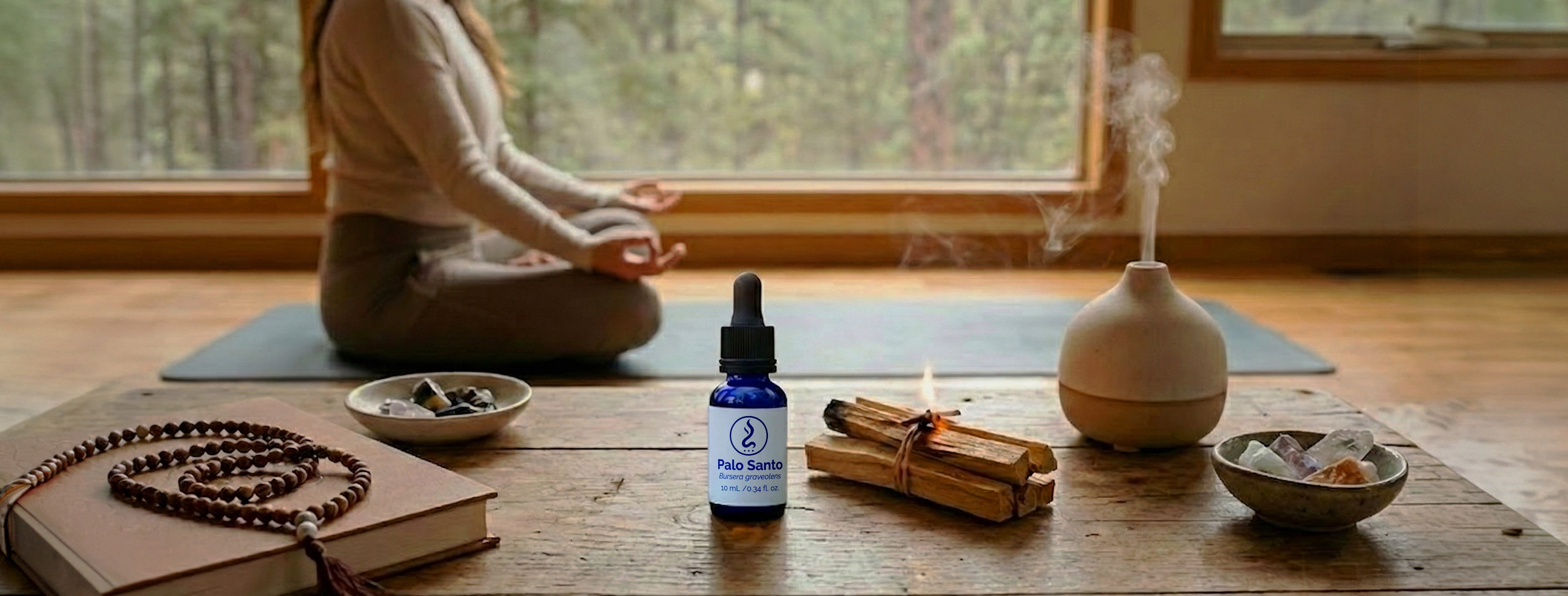
Palo santo Oil: Benefits, Uses, and Cautions
Palo Santo oil is valued for its warm, grounding aroma that supports calm thinking and emotional balance. Many people use pure Palo Santo oil during meditation, breathwork or spiritual routines bec...
Read Full Article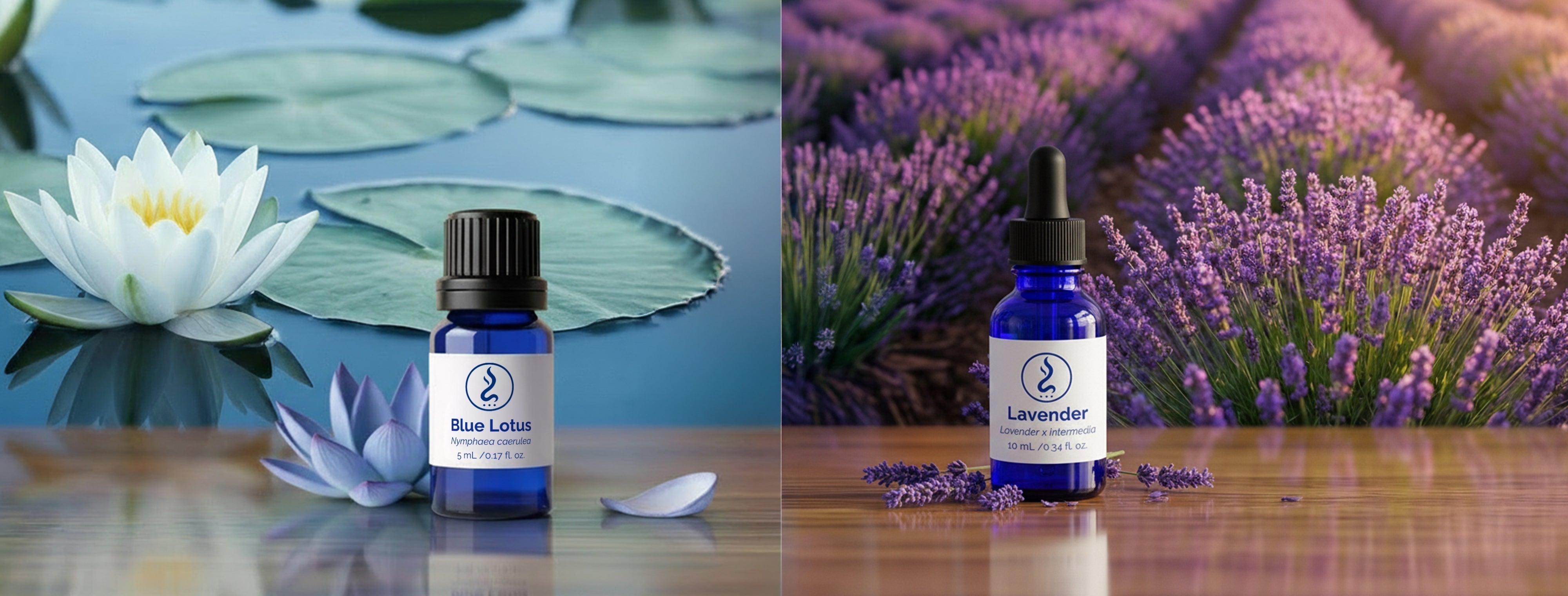
Blue Lotus Oil vs Lavender Oil: What Should You Choose?
When choosing a natural oil to support calm, focus, or emotional balance, blue lotus oil and lavender oil frequently emerge as top choices. These oils have stood the test of time, valued both for t...
Read Full Article
Stay Aligned
Join the Sahu Journey
Be the first to receive sacred insights, exclusive offers, and guidance on transformation. Sign up to elevate your path with Sahu Sacred® Oils.