


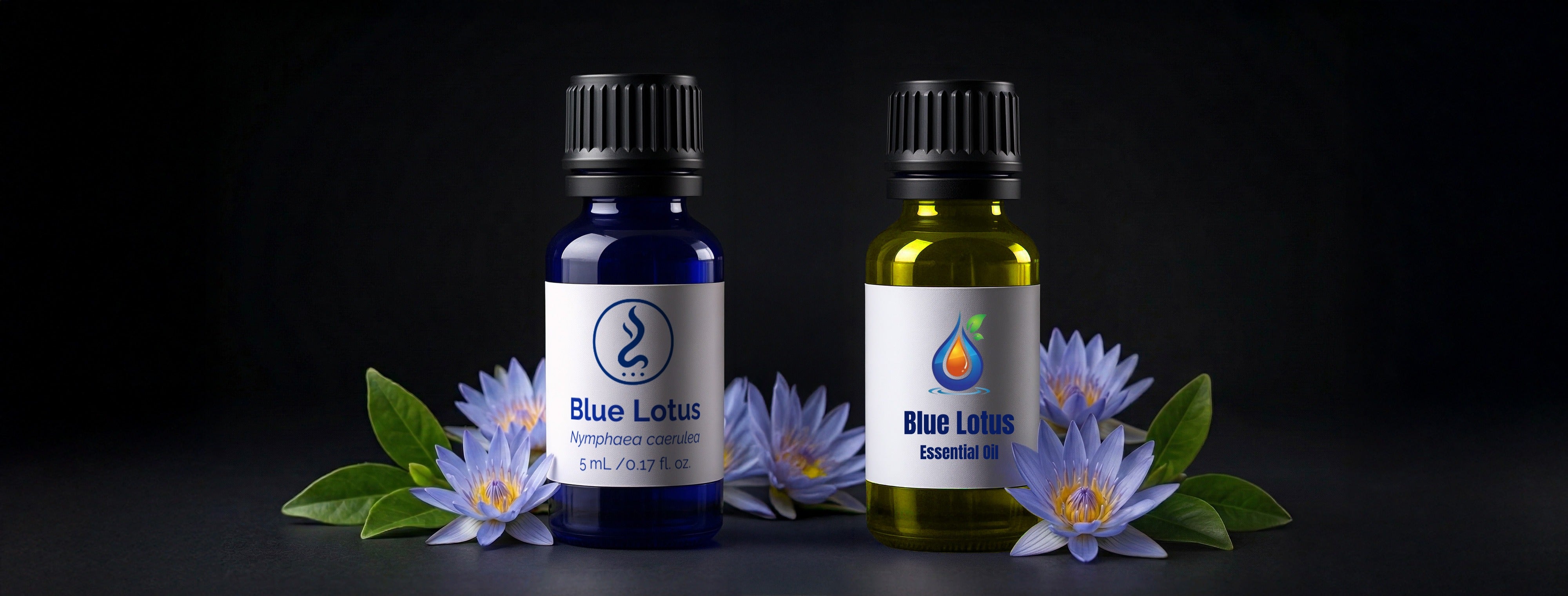
Blue Lotus Sacred Oil vs Blue Lotus Essential Oil: What’s the Real Difference?
The blue lotus oil has been valued for centuries in spiritual traditions, meditation practices, and natural wellness. Ancient Egyptian texts mention the blue lotus as a sacred plant connected with relaxation, heightened awareness, and spiritual rituals.
Today, many people searching online see two similar terms: blue lotus sacred oil and blue lotus essential oil. They often assume they are the same product. In reality, they are quite different in how they are made, how they smell, and how they are used.
If you practice meditation, yoga, or spiritual work, understanding this difference matters. It helps you choose the right oil for your intention.
In this guide, we will explain the difference between sacred oil and essential oil, how each is produced, and which one may work better for your practice.
Blue Lotus Flower and Its Historical Importance
The blue lotus flower, scientifically known as Nymphaea caerulea, was one of the most sacred plants in ancient Egypt. It symbolized rebirth, consciousness, and spiritual awakening.
Temple priests used blue lotus in rituals, ceremonies, and meditation practices. The flower was believed to support calmness of the mind and help deepen spiritual awareness.
This is why blue lotus oil is still widely used today by people interested in yoga, mindfulness, and spiritual practices.
What Is Blue Lotus Sacred Oil?
Blue lotus sacred oil is traditionally crafted through slow maceration or cold pressing of the flower rather than steam distillation. This process keeps the plant's delicate aromatic compounds intact.
Sacred oils are often made in small batches and aged to allow the aroma to deepen over time.
For example, traditional oils crafted near Luxor in Egypt follow ancient methods where flowers are gently crushed without heat and aged before bottling. This produces a rich and complex oil that feels very different from commercial essential oils.
Characteristics of Sacred Blue Lotus Oil
Natural floral aroma that feels deep and slightly sweet
Produced through traditional slow extraction methods
Often aged before bottling
Commonly used in meditation, rituals, and personal spiritual work
Many people searching to buy blue lotus oil in the USA for meditation or spiritual use are usually looking for this sacred oil rather than a distilled essential oil.
What Is Blue Lotus Essential Oil?
Blue lotus essential oil is produced through steam distillation. In this process, high heat is used to extract aromatic molecules from plant material.
While this method works well for many plants such as lavender or peppermint, blue lotus flowers are extremely delicate. Steam distillation can sometimes alter the fragrance and remove certain subtle compounds.
Because of this, many products labeled essential blue lotus oil are actually fragrance blends or diluted extracts.
Characteristics of Blue Lotus Essential Oil
Produced through steam distillation
Often lighter and sharper in aroma
Common in aromatherapy products
Frequently diluted with carrier oils
Some companies also label synthetic blends as blue lotus essential oil, which is why it is important to understand how the oil was made before purchasing.
Why Sacred Blue Lotus Oil Is Often Preferred for Meditation
Many meditation practitioners prefer sacred oils because the extraction process preserves the flower’s full aromatic profile.
When used during meditation, the scent can help create a calm mental environment.
Practices often include:
Place a drop on your pulse points before meditation.
Adding a drop to a diffuser in a quiet room
Using it during yoga breathing exercises
You can also watch this short explanation about sacred blue lotus oil and its traditional use here: https://youtu.be/TABCOa1cwCs?si=uGolSEphXB23tEIb
People who practice deep meditation often say the aroma supports relaxation and emotional balance.
How to Choose Authentic Blue Lotus Oil
Because demand has grown, many products online are labeled as organic blue lotus oil or essential blue lotus oil without clearly explaining their extraction method.
Here are a few points to keep in mind before making a purchase.
1. Look for Source Transparency
Authentic oils often mention where the flowers are sourced from. Egyptian blue lotus remains one of the most respected varieties.
2. Check the Extraction Method
Traditional sacred oils usually describe a slow or cold extraction process rather than steam distillation.
3. Review the Ingredient List
Pure oils should not contain artificial fragrance compounds.
4. Buy from Specialized Producers
Many meditation practitioners prefer to buy blue lotus oil online in the USA from traditional producers rather than mass aromatherapy brands.
Practical Ways to Use Blue Lotus Oil
If you are new to this oil, there are several ways to incorporate it into your daily routine.
Meditation Practice
Apply a small amount to the temples or wrists before sitting down to meditate. The scent helps set a calm and soothing atmosphere.
Yoga and Breathwork
Some yoga practitioners diffuse organic blue lotus oil during slow breathing exercises.
Evening Relaxation
Many people use a drop on a pillow or diffuser before bedtime to help quiet the mind after a long day.
Personal Rituals
Spiritual practitioners sometimes use blue lotus oil during journaling, reflection, or mindfulness rituals.
Final Thoughts
The difference between blue lotus sacred oil and blue lotus essential oil mainly comes down to how the oil is made.
Sacred oils focus on traditional extraction methods that preserve the flower’s deeper aroma and energetic qualities. Essential oils rely on steam distillation, which can sometimes change the natural profile of delicate flowers like blue lotus.
For people who practice meditation, yoga, or mindfulness, choosing the right type of blue lotus oil can make a noticeable difference in the overall experience.
Understanding the origin, extraction method, and purity of the oil helps ensure you are getting something authentic and meaningful for your personal practice.
If you’re curious why Egyptian Blue Lotus feels different from most versions on the market, we explore that in more detail here.
Need help?
Frequently Asked Questions
Read more

Blue Lotus Oil for 7 Chakra Alignment and Nervous System Balance
Chakra imbalance often shows up as mental fatigue, emotional reactivity, anxiety, or lack of focus, not as a spiritual label. Chakra balance is about regulating energy, not forcefully activating it...
Read Full Article
Sacred Oils That Help Activate the Root Chakra for Stability and Grounding
When life feels uncertain, many people experience restlessness, anxiety, or disconnection. Spiritual traditions often link these feelings to an imbalanced Root Chakra, the energy center connected w...
Read Full Article
Stay Aligned
Join the Sahu Journey
Be the first to receive sacred insights, exclusive offers, and guidance on transformation. Sign up to elevate your path with Sahu Sacred® Oils.