


Why Egyptian Blue Lotus Is Different (And Why Most Blue Lotus Isn’t the Same)
Blue Lotus has been showing up everywhere lately.
You’ll see it described as rare, ancient, even mystical. And in some ways, that’s true. But there’s something most people don’t realize when they first come across it.
Not all Blue Lotus is the same.
And most of what’s being sold today isn’t coming from Egypt.
Once you understand that, a lot of things start to click, especially if you’ve ever tried it and thought, “I don’t really get the hype.”
The plant most people are referring to is Blue Lotus, known as Nymphaea caerulea. It’s a water lily that grew along the Nile and shows up all over ancient Egyptian art and symbolism. You’ll see it in temple carvings, in scenes of daily life, in moments tied to renewal, awareness, and presence.
It opens with the sun and closes at night. Even that alone tells you how closely it was observed.
But fast forward to today, and the global supply looks very different.
A large portion of what’s sold as “Blue Lotus” is grown in places like Thailand or Sri Lanka. Sometimes it’s even a different species entirely, like Nymphaea nouchali, which gets grouped under the same name. To most people, it looks close enough.
But it’s not identical. And those differences matter more than people expect.
The environment alone changes things, the water, the soil, the climate, the timing of harvest. It’s no different than wine or olive oil in that sense. Where something is grown shapes how it expresses itself.
And then there’s the part almost no one talks about, which is how the oil is actually made.
Most Blue Lotus oils on the market are produced using modern extraction methods, things like solvent extraction or absolutes. These are efficient, widely used in fragrance, and they create a strong, recognizable scent.
There’s nothing inherently wrong with that. It just leads to a certain kind of result.
At Sahu Sacred®, the approach is different. The oils come through a traditional Egyptian cold-press method, something slower, more tactile, and not built around maximizing yield.
There’s something I’ve learned directly from the family in Egypt that changed how I look at this.
When we’ve talked about extraction, they’ve always emphasized that heat alters the oil. In their experience, oils exposed to steam and high temperatures can lose a noticeable portion of what makes them whole.
That’s one of the reasons they’ve stayed committed to cold pressing, even though it takes more plant material, more time, and more effort.
They also care deeply about the plant itself, how it’s grown, when it’s harvested, and how it’s handled before it ever reaches the press. The way they explain it is simple:
If the plant isn’t right, the oil won’t be either.
It’s not just about making oil.
It’s about preserving what the plant already is.
The family also advised that blue lotus oil is usually clear or yellow. They advised that for generations, their family adds an all natural ingredient that results in the blue color that Sahu offers. They are very stern when they communicate to me there are absolutely no chemicals or preservatives in the blue lotus (or any of their oils).
If you want a broader context around how sacred oils differ from standard essential oils, you can read our guide on sacred oils vs essential oils.
You can feel that difference.
Not in a dramatic way, just in how it unfolds.
Most people expect something strong right away. Instead, it starts softer. Then it opens up. It evolves. There’s more of a progression to it instead of a quick peak and fade.
And that’s usually when people realize they’re experiencing something different.
There’s a difference between noticing a scent and feeling like you’re inside the experience of it.
You also see this show up in how people try to describe it.
One customer who had worked with essential oils for years said it felt “very different… not like anything I’ve experienced before.”
Another described it as “energetically different to any oil I have used before.”
Those aren’t marketing phrases. That’s just people trying to put words to something that doesn’t fit into what they already know.
This is also why Blue Lotus can be confusing.
Someone tries one version and doesn’t feel much. Then they try another and suddenly understand why it’s been talked about for thousands of years.
Same name. Completely different experience.
That doesn’t make one “right” and the other “wrong.” But it does mean they’re not interchangeable.
In Egypt, Blue Lotus isn’t just another botanical. It’s part of a much older thread.
The family behind Sahu Sacred® Oils is working within that thread. Their process isn’t designed for scale or speed. It’s slower by nature, more deliberate, and rooted in a way of doing things that hasn’t really been modernized.
They still use methods passed down through generations. They still treat the process with care. They still see the plant as something more than raw material.
That’s hard to replicate.
And over time, it becomes obvious.
You can learn more about this on our About page.
If you’re exploring Blue Lotus, it’s worth paying attention to a few things.
Where is it actually coming from?
How is it being extracted?
Is the focus on volume, or on the integrity of the process?
Those questions will get you a lot closer to understanding what you’re working with.
If you want a broader context around how blue lotus sacred oils differ from blue lotus standard essential oils, you can read:
Blue Lotus Sacred Oil vs Blue Lotus Essential Oil: What’s the Real Difference?
At the end of the day, Blue Lotus has earned its reputation for a reason.
But that reputation was built in a very specific place, using very specific methods.
Once you experience that version, the distinction becomes clear.
Not because someone explained it perfectly.
Because you felt it.
If you’re curious to explore it directly, you can find our Egyptian Blue Lotus oil and experience the difference for yourself.
Read more
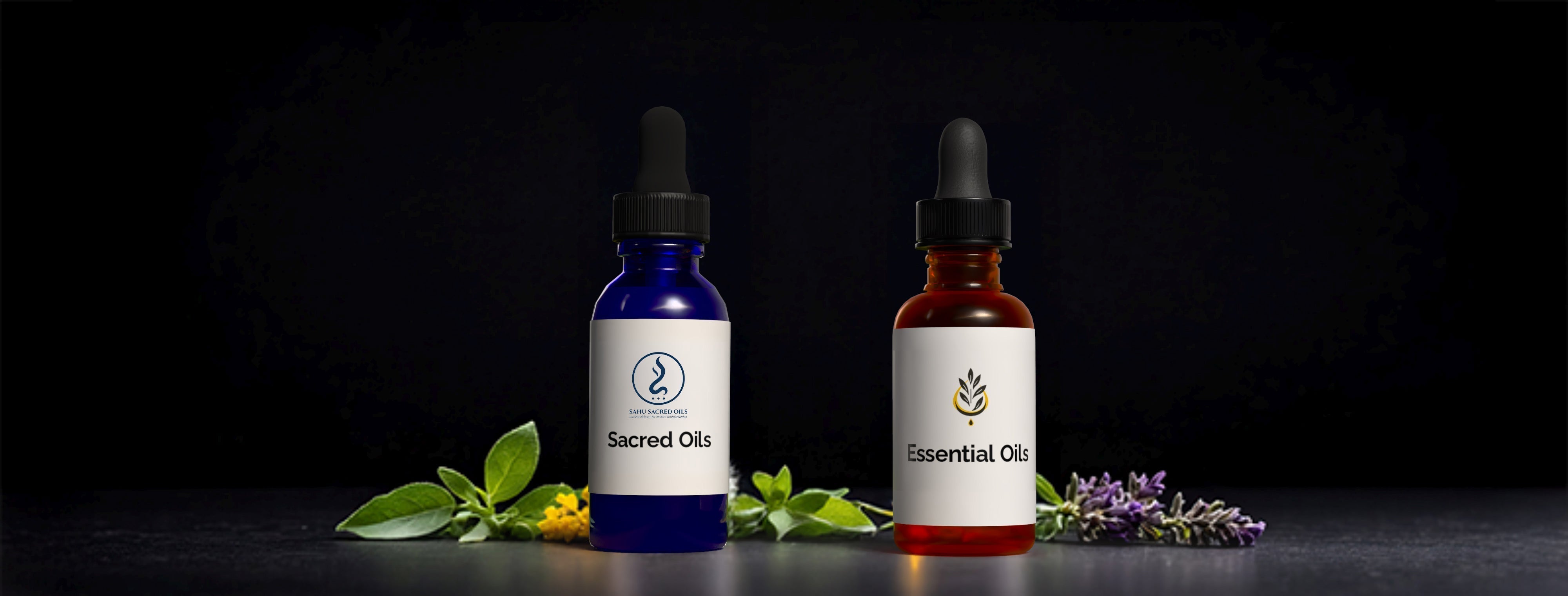
Sacred Oils vs Essential Oils: What Most People Never Learn
Most people think oils are all the same. They’re not. Discover the real difference between sacred oils and essential oils, from extraction methods to experience, and why traditional Egyptian oils f...
Read Full Article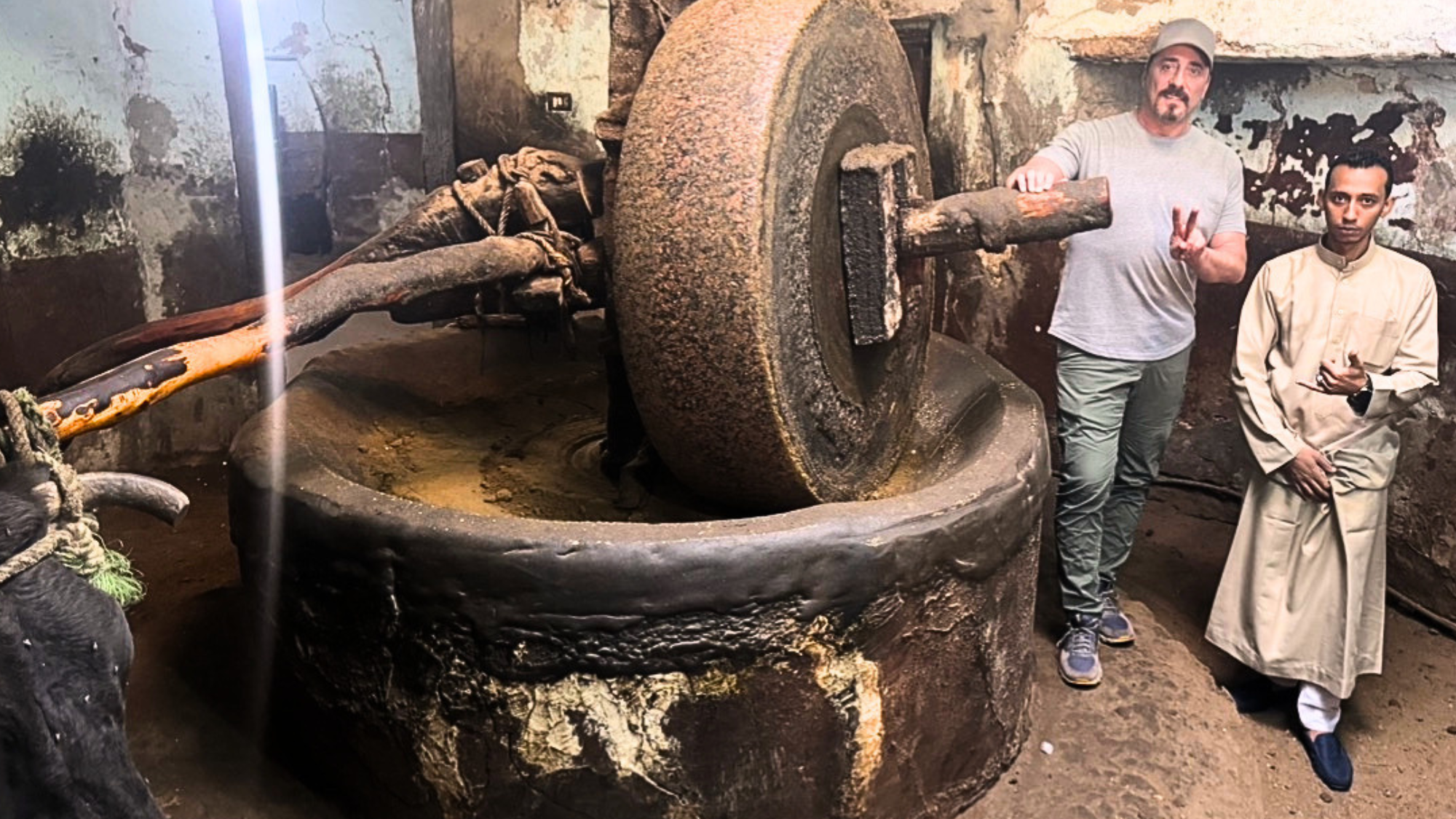
How Cold-Pressed Sacred Oils Are Made (And Why It Changes Everything)
Most people have never seen how oils were traditionally made. Today, the vast majority of oils on the market are produced through modern industrial methods designed around speed, consistency, and s...
Read Full Article
Stay Aligned
Join the Sahu Journey
Be the first to receive sacred insights, exclusive offers, and guidance on transformation. Sign up to elevate your path with Sahu Sacred® Oils.