


How Cold-Pressed Sacred Oils Are Made (And Why It Changes Everything)
Most people have never seen how oils were traditionally made.
Today, the vast majority of oils on the market are produced through modern industrial methods designed around speed, consistency, and scale. That doesn’t necessarily make them bad. It simply means the process is optimized for efficiency.
But there are still a few places in the world where older methods remain alive.
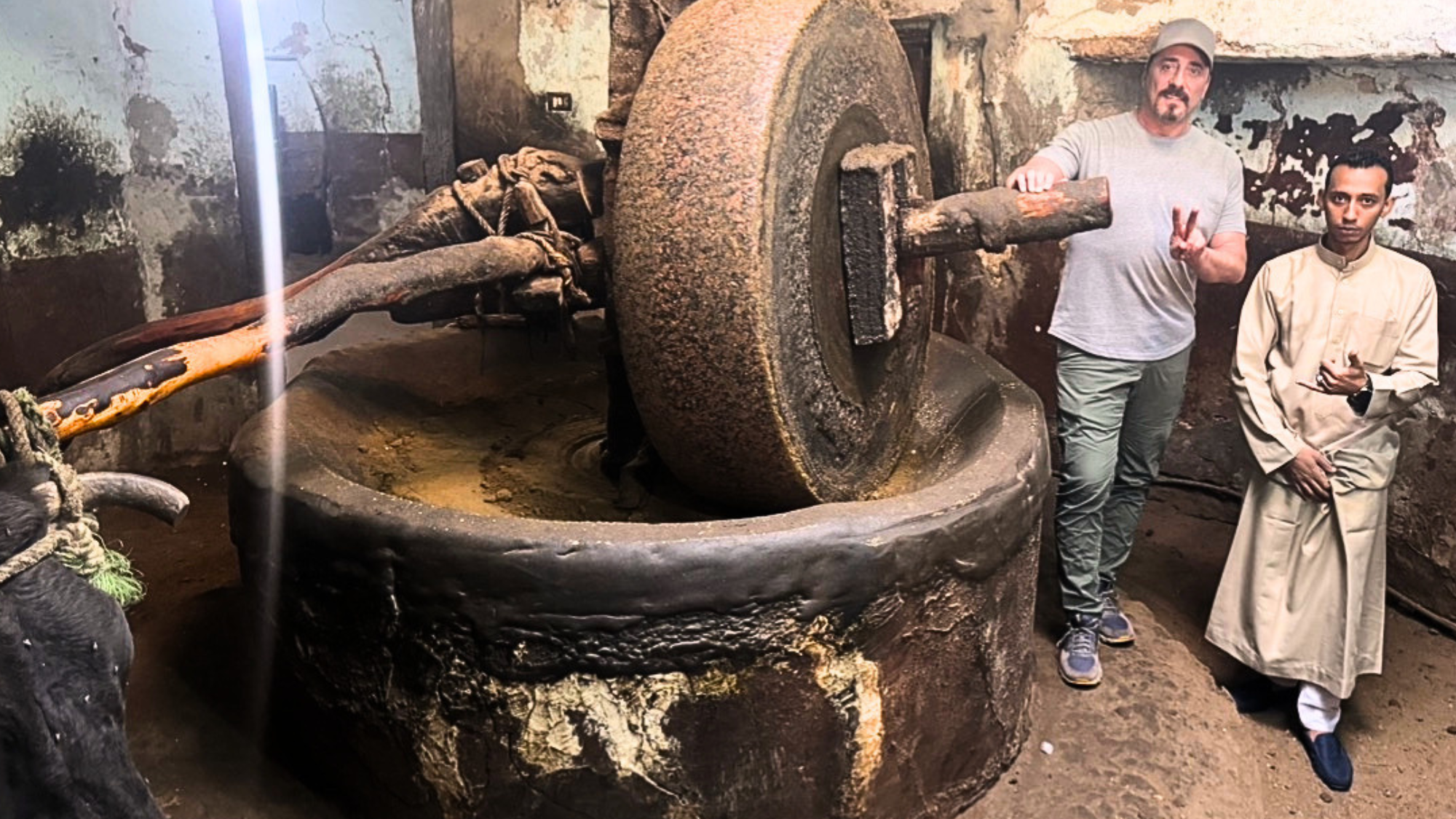
In December 2025, I returned to Egypt and had the opportunity to experience one of those methods firsthand. I walked the bull during the pressing process myself while rosemary was being prepared beneath a massive granite wheel.
What struck me immediately was the pace of it all.
Slow. Rhythmic. Deliberate.
Nothing about it felt industrial.
I spent the entire day with the family during the pressing process, watching each stage unfold slowly from start to finish.
What stood out most was the relationship they have with the plants themselves. There was care in every step, from how the rosemary was prepared to how the oils were handled before and after pressing.
It did not feel like manufacturing.
It felt like a craft that had been repeated enough times to become part of daily life.
And the more time I spent there, the more I began to understand why these oils feel so different from what most people are used to.
The Modern Essential Oil World
Most essential oils today are produced through steam distillation.
In this process, steam passes through plant material at high temperatures, extracting volatile aromatic compounds which are then condensed into oil.
This method is efficient and widely used throughout the aromatherapy and fragrance industries. It works especially well for many plants and allows companies to produce large quantities of oil quickly and consistently.
For many oils, steam distillation has become the modern standard.
But traditional sacred oils come from a very different philosophy.
A Slower Process Rooted in Ritual
At Sahu Sacred® Oils, the oils are created through a combination of maceration, cold pressing, handcrafted carrier oils, aging, and traditional family methods that have been preserved and refined across generations.
Before pressing even begins, plant material is often steeped and prepared through a slow maceration process. The family also creates many of their own carrier oils rather than relying entirely on outside industrial suppliers.
But something else deeply moved me while I was there.
Before different stages of the process, the family would stop to wash and pray.
Before harvesting plants from their farm.
Before walking the bull.
Before pressing the oils themselves.
As practicing Muslims, prayer is woven naturally into their daily life. But within the press, it becomes part of the oil-making process itself.
The intention behind the work is not simply production.
It is care, respect, craftsmanship, and the hope that what they create will support others in meaningful ways.
That energy changes the atmosphere of the entire place. You feel it immediately when you are there.
Then comes the pressing itself.
Instead of steam and high heat, pressure is used.
A bull walks in slow circles turning a granite wheel weighing roughly 2,200 pounds. The wheel gradually crushes and presses the plant material over time.
Standing there in person, you realize very quickly that this process was never designed around speed.
It was designed around preserving the character of the plant.

Why Heat Matters
One of the things the family in Egypt has emphasized repeatedly in our conversations is that heat changes oils.
From their perspective, excessive heat strips away part of what makes a plant feel alive in the first place.
That philosophy is one of the reasons they have remained committed to traditional cold pressing and slower extraction methods, even though they require:
- more plant material
- more labor
- more time
- and significantly lower production speed
The goal is not simply to isolate aroma.
The goal is to bring forward the fullest possible expression of the plant, its scent, character, texture, and overall presence.
That difference becomes noticeable once you experience the oils firsthand.
Why Sacred Oils Smell Different
This is one of the most common things people notice when they first experience Sahu Sacred® Oils.
The aroma unfolds differently.
Many steam-distilled essential oils present themselves quickly. They can smell sharp, bright, or immediately recognizable.
Cold-pressed sacred oils often behave differently. They open more gradually. The scent evolves over time. Some people describe them as softer yet fuller at the same time.
Others describe them as more perfume-like, though technically they are not perfumes.
There is:
- no alcohol
- no commercial perfume base
- no traditional perfume fixatives
Instead, the oils are created through a broader aromatic process involving maceration, pressing, aging, handcrafted carrier oils, aromatic preservation techniques, and proprietary family methods designed to preserve and deepen the plant’s natural aromatic profile.
The oils are then aged in oak barrels before bottling, allowing the aroma to continue developing over time.
This creates a layered aromatic experience that feels very different from standard essential oils.
Not louder.
Just deeper.
Why No Two Sacred Oils Are Exactly the Same
One thing I came to understand during my time with the family in Egypt is that these oils are not approached the way most modern commercial oils are.
In much of the essential oil industry today, consistency and efficiency are often the priority. Large-scale production requires oils to smell nearly identical from batch to batch. Processes become standardized, tightly controlled, and optimized for speed, scalability, and predictable volume.
That approach makes sense for modern manufacturing.
But sacred oils come from a very different philosophy.
The family behind Sahu Sacred® Oils protects certain parts of their methods, formulas, rituals, and preparation techniques very carefully. Over generations, they have developed proprietary ways of working with plants, oils, aging, and aromatic enhancement that they consider part of their family craft and inheritance.
I deeply respect that.
Like many traditional crafts around the world, the process has evolved over time while remaining rooted in the same core philosophy and intention.
Spending time with them made me realize these oils are not treated like industrial products.
They are treated more like living creations.
The closest comparison I can think of is the difference between a mass-produced pasta sauce and a homemade family sauce passed down through generations.
A commercial sauce is designed to taste exactly the same every single time.
But a homemade sauce changes slightly with each batch. The tomatoes are different. The weather changes. The water changes. The person making it adjusts naturally through feel, intuition, memory, and experience.
And somehow, that variability is part of what makes it feel alive.
These sacred oils are similar.
The plants change with:
- the season
- the soil
- the sunlight
- the water
- the harvest timing
- and the overall energy surrounding the process itself
The family believes intention matters deeply as well. Prayer, preparation, focus, and respect for the plant are all considered part of the final outcome.
That means each batch carries its own unique expression of the plant.
Not radically different.
But alive in its own way.
This is also why sacred oils do not always behave like modern standardized essential oils. They are not engineered for perfect uniformity. They are crafted slowly, intuitively, and intentionally.
And I think people feel that when they experience them.
The family also utilizes certain proprietary preparation and aromatic enhancement methods that have been preserved privately over time as part of their family craft. Some aspects of the process are intentionally protected and not publicly disclosed in full detail.
I respect that deeply as well.
What I can say is that these oils are not approached as mass-produced commercial fragrance products. They are handcrafted through a layered process involving maceration, cold pressing, aging, plant oils, aromatic preservation techniques, and traditional family methods intended to bring forward the fullest possible expression of the plant.
Anyone is welcome to explore, question, study, or even test these oils for themselves. Curiosity is healthy and important.
But I also believe there are aspects of traditional craftsmanship, intuition, prayer, and human intention that cannot always be fully measured inside a laboratory.
Some things are experienced directly.
And perhaps that is part of what sacred oils have always been about.
What I Noticed in Egypt
Walking the bull during the rosemary pressing process changed the way I understood these oils.
The aroma in the air felt richer and more dimensional than what most people associate with modern essential oil production. There was warmth to it. Texture. Depth.
The entire process felt connected to the plant itself rather than focused solely on extracting scent as efficiently as possible.
And honestly, it helped me understand why so many people struggle to describe these oils after experiencing them.
They don’t fit neatly into the categories most people already know.
More Than Fragrance
One thing I have come to appreciate is that the family does not view these oils as perfumes, fragrance oils, or standard essential oils.
They see them as sacred aromatic oils and botanical essences created to preserve the fullest expression of the plant.
That includes:
- the aroma
- the feeling
- the energetic presence
- and the ritual surrounding the process itself
Whether someone personally connects with the spiritual aspect or not, it is impossible to ignore the amount of care and intention involved in how these oils are created.
And I believe people feel that.
Why This Matters
Today, most consumers have only experienced one category of oil production.
So when they encounter something crafted through slower traditional methods, it can feel unfamiliar at first.
Sometimes people immediately connect with the depth and complexity.
Other times they simply recognize that it feels different, even if they can’t fully explain why.
That difference is not accidental.
It comes from:
- the sourcing
- the preparation
- the pressing
- the aging
- and the philosophy behind the process itself
The Future of Sacred Oils
At Sahu Sacred® Oils, my goal is not to imitate the modern essential oil industry.
It is to help preserve and share a rare traditional approach that still exists today.
One rooted in:
- craftsmanship
- patience
- ritual
- aromatic depth
- and respect for the plant itself
These oils were never meant to be rushed.
And once you experience them in that context, the difference becomes much easier to understand.
Explore Traditional Egyptian Sacred Oils
If you are curious to experience traditionally crafted cold-pressed oils for yourself, you can explore our collection of Egyptian sacred oils and botanical essences here.
Read more

Why Egyptian Blue Lotus Is Different (And Why Most Blue Lotus Isn’t the Same)
Blue Lotus has been showing up everywhere lately. You’ll see it described as rare, ancient, even mystical. And in some ways, that’s true. But there’s something most people don’t realize when they f...
Read Full Article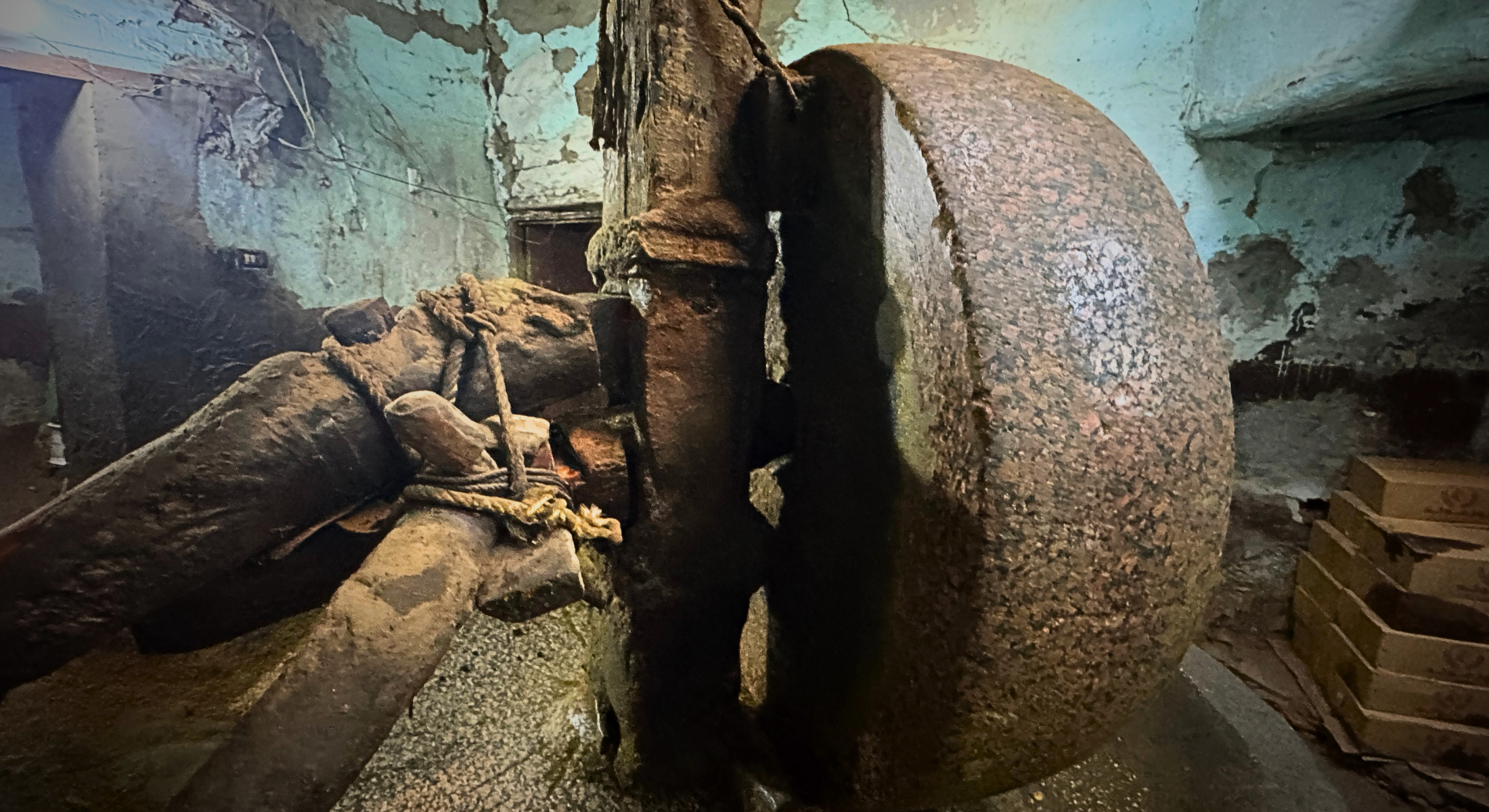
Why Sacred Oils Smell Different Than Essential Oils
Why do sacred oils smell so different than essential oils? Discover how Egyptian soil, sunlight, harvest timing, maceration, cold pressing, aging, and centuries-old craftsmanship create aromatic bo...
Read Full Article
Stay Aligned
Join the Sahu Journey
Be the first to receive sacred insights, exclusive offers, and guidance on transformation. Sign up to elevate your path with Sahu Sacred® Oils.